
Access Denied
IMPORTANT! If you’re a store owner, please make sure you have Customer accounts enabled in your Store Admin, as you have customer based locks set up with EasyLockdown app. Enable Customer Accounts
What Is Intoxicating Hemp? Marijuana by Another Name?
By Team Clebby
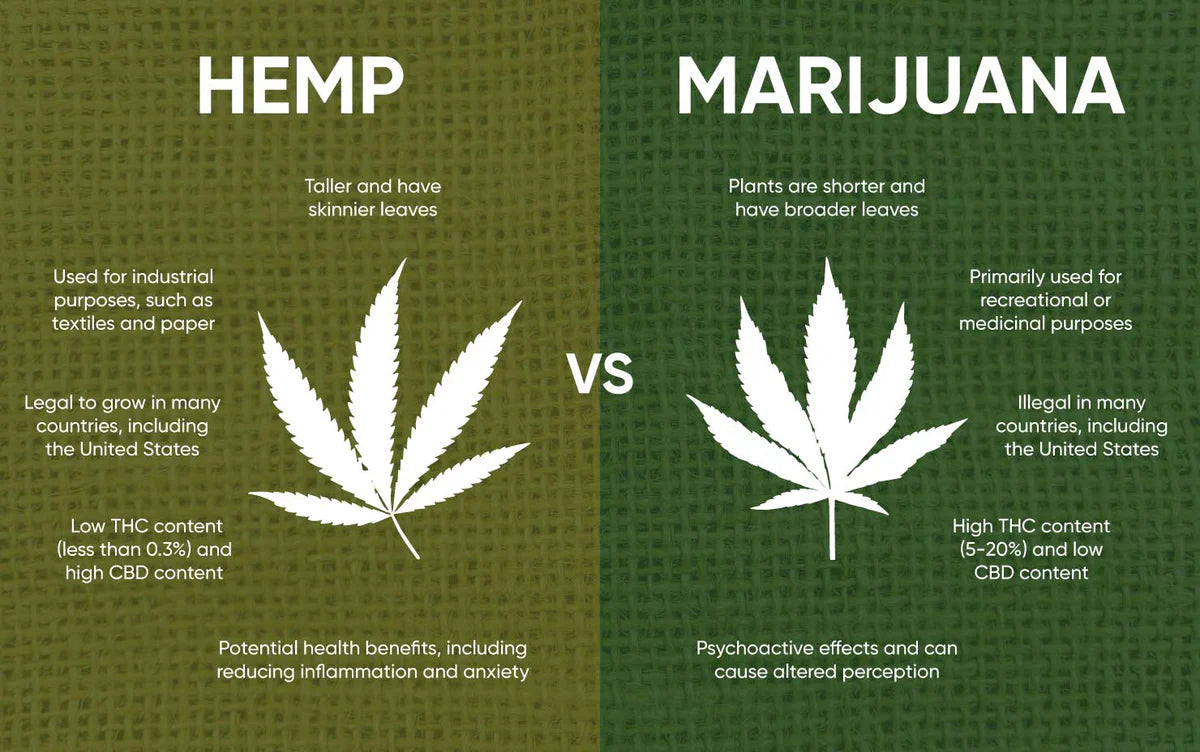
Table of contents
Hemp vs. marijuana: the legal line that causes confusion Is intoxicating hemp just marijuana rebranded? Where intoxicating hemp shows up in real life Why the term “intoxicating hemp” exists at all FAQs about intoxicating hemp General Tips for a Chill, Safe Edible Night In FAQ About THC Infused Desserts for a Cozy Night In
This article explains what “intoxicating hemp” really means and why it’s often confused with marijuana. It breaks down the legal definition of hemp, how intoxicating hemp products can still produce psychoactive effects, and why the term exists more as a regulatory label than a scientific one. By clarifying the differences between intoxicating hemp and marijuana, the article shows how hemp-derived THC products fit into modern cannabis use without being the same as dispensary cannabis.
If you’ve been following cannabis news lately, you’ve probably heard the phrase intoxicating hemp thrown around by lawmakers, regulators, and headlines. Sometimes it’s framed as a loophole. Other times it’s treated like a threat. And often, it’s described as marijuana hiding behind a different label.
So what is intoxicating hemp, really? Is it just marijuana with better marketing, or is something else going on entirely?
The short answer: intoxicating hemp is not marijuana by definition — but the confusion is understandable. The longer answer requires unpacking hemp law, chemistry, and how modern THC products are made.
What does “intoxicating hemp” actually mean?
The term intoxicating hemp is not a scientific classification. It’s a regulatory and cultural label used to describe hemp-derived products that can produce psychoactive effects.
In most cases, intoxicating hemp refers to products made from legally defined hemp that contain cannabinoids capable of causing intoxication, such as:
- Delta-9 THC (within legal limits by weight)
- Delta-8 THC
- THC-O and similar derivatives (where legal)
The key distinction is that intoxicating hemp products originate from hemp, not marijuana — and that difference matters legally.

Hemp vs. marijuana: the legal line that causes confusion
Under U.S. federal law, hemp and marijuana are differentiated by delta-9 THC concentration, not by effects or experience.
- Hemp: Cannabis with 0.3% or less delta-9 THC by dry weight
- Marijuana: Cannabis with more than 0.3% delta-9 THC
That means intoxicating hemp can still cause a high without crossing the marijuana threshold, as long as it stays within the legal definition by weight.
This is why intoxicating hemp exists at all — not because of trickery, but because of how the law was written.
How intoxicating hemp can still get you high
This is where most people get confused.
The law limits percentage, not total milligrams.
A product can legally contain intoxicating amounts of THC if:
- The THC comes from hemp
- The total THC remains ≤0.3% of the product’s weight
That’s why a large edible or beverage can contain enough THC to be felt while still qualifying as hemp.
This is the core reason intoxicating hemp feels similar to marijuana products — even though they are legally distinct.
Is intoxicating hemp just marijuana rebranded?
No — but the comparison isn’t completely wrong either.
Intoxicating hemp is not marijuana, because:
- It comes from federally legal hemp
- It complies with hemp THC limits
- It follows different supply-chain and testing rules
However, intoxicating hemp can feel similar to marijuana products because THC is THC once it enters your body.
The confusion isn’t about chemistry — it’s about law.
Why lawmakers are nervous about intoxicating hemp
Many regulators argue that intoxicating hemp products:
- Bypass traditional dispensary systems
- Are easier to access online
- Blur consumer understanding of cannabis law
That’s why some states are moving to restrict or redefine intoxicating hemp, even though it’s federally legal.
Others argue that intoxicating hemp simply reflects consumer demand for alternatives and better access.
This tension is why the term exists at all.
Where intoxicating hemp shows up in real life
Most consumers encounter intoxicating hemp through:
- THC drinks
- Gummies and edibles
- Baking mixes with infused oil
- Tinctures and seltzers
Brands like Clebby’s use hemp-derived THC to create predictable, lab-tested edibles without requiring dispensary access. You can see how this works in Clebby’s THC baking mixes.
The key is transparency — clear labeling, dosing, and testing.
Intoxicating hemp vs. dispensary cannabis
How intoxicating hemp differs
- Federally legal (within limits)
- Often available online
- Heavily focused on compliance by weight
- Typically lower per-serving doses
How marijuana differs
- Regulated state by state
- Sold through dispensaries
- Higher concentration products
- Different tax and licensing structure
Both can be used responsibly — but they exist in different legal ecosystems.

Why the term “intoxicating hemp” exists at all
The phrase exists because lawmakers needed language to describe:
- Hemp products that do cause intoxication
- Without calling them marijuana
- Without rewriting the entire Farm Bill
It’s a political term more than a chemical one.
Why intoxicating hemp isn’t going away
Consumer behavior has shifted. People want:
- Alcohol alternatives
- Predictable dosing
- Lower-commitment cannabis experiences
- Legal access without dispensaries
Intoxicating hemp fills that space — which is why attempts to eliminate it entirely often face pushback.

FAQs about intoxicating hemp
Is intoxicating hemp legal everywhere?
No. Federal law allows it, but state laws vary widely.
Can intoxicating hemp show up on a drug test?
Yes. THC is THC, regardless of source.
Is intoxicating hemp safe?
Safety depends on testing, transparency, and responsible use.
Why do brands prefer hemp-derived THC?
It allows broader access while staying compliant.
Is intoxicating hemp replacing marijuana?
No — it’s expanding consumer choice.
General Tips for a Chill, Safe Edible Night In
A cozy night is only cozy if everyone feels good and in control of their experience. A few quick reminders:
-
Check the label first.
Clebby’s mixes come in clearly labeled THC strengths (like 100 mg or 200 mg total per box), plus details on how much infused oil is included. -
Start low and go slow.
If you’re newer to edibles or trying a new product, start with a smaller portion than you think you’ll want. You can always enjoy more another night. -
Wait before re‑dosing.
Edibles can take anywhere from 30 minutes to 2+ hours to fully kick in. Be patient — redosing too soon is one of the most common mistakes. -
Label and store responsibly.
Keep THC desserts clearly labeled and out of reach of kids, teens, and pets. An airtight container in a high cupboard or refrigerator is ideal. -
Keep your night low‑stakes.
Save infused desserts for evenings when you have no driving to do and no important responsibilities waiting.


Sabrina Clebnik (aka Clebby)
has been known for her brownies since she was tall enough to reach the oven. They were a staple at every gathering...and everyone always wanted seconds. And it wasn’t just brownies…Friends and relatives relentlessly requested the "secret recipes" that made all of Sabrina's baked goods disappear faster than you could say, "Save me a corner piece."

Reading next
Jan 9, 2026
Team Clebby
Jan 9, 2026
Team Clebby
Invalid password
Enter
Leave a comment
This site is protected by hCaptcha and the hCaptcha Privacy Policy and Terms of Service apply.