
Access Denied
IMPORTANT! If you’re a store owner, please make sure you have Customer accounts enabled in your Store Admin, as you have customer based locks set up with EasyLockdown app. Enable Customer Accounts
Alcohol Sales Are Falling While THC Drinks Take Off
By Team Clebby
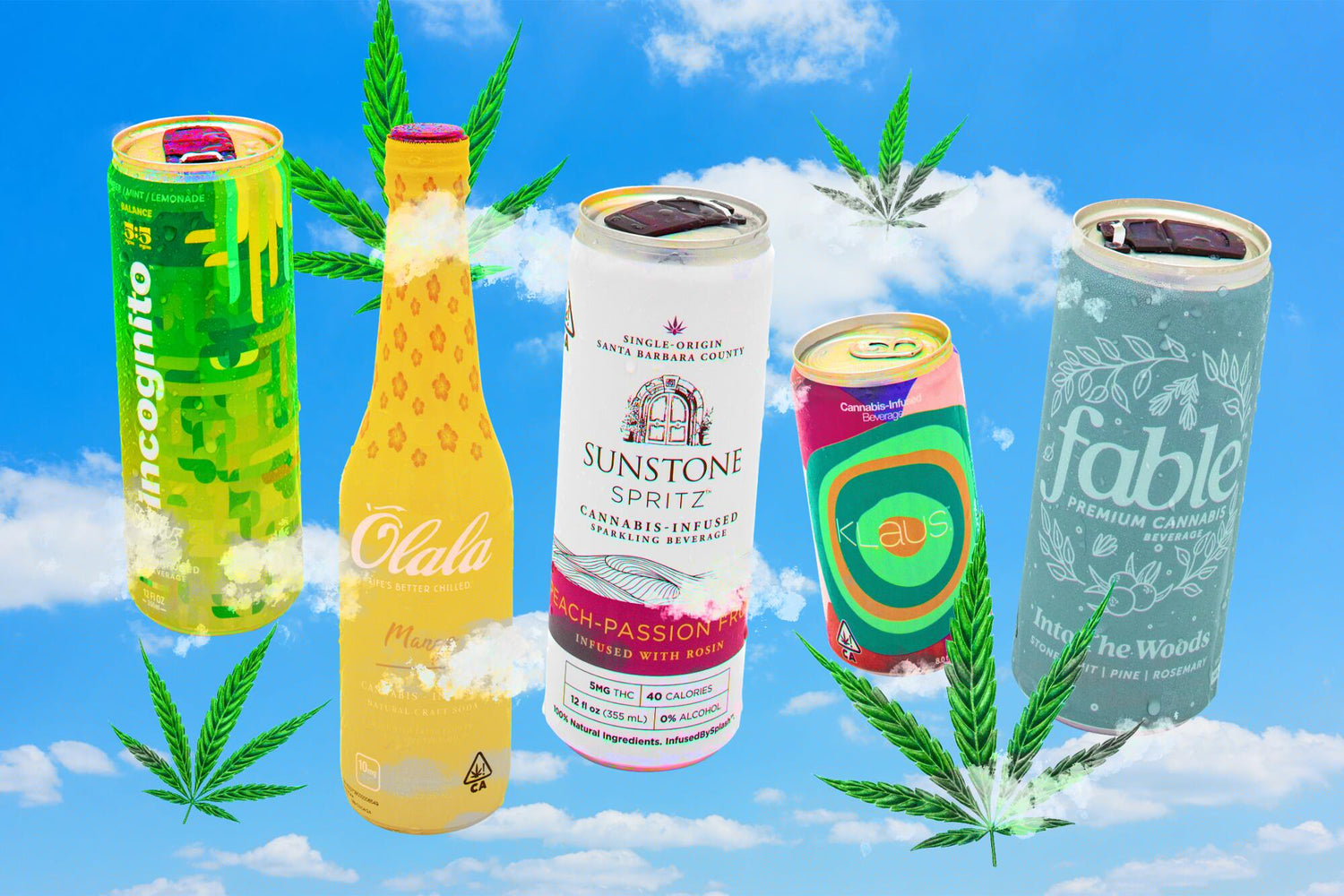
Table of contents
Alcohol sales are declining — and the data backs it up Why THC drinks are exploding in popularity THC drinks vs alcohol: different effects, different intentions Why THC drinks don’t fully replace edibles Why alcohol brands are paying attention The future: choice, not replacement Final thoughts: a market in transition
Alcohol consumption is declining as THC drinks rapidly gain popularity among adults seeking more intentional ways to relax. This article explores why THC drinks appeal to wellness-minded consumers, how they differ from alcohol in effects and social use, and why they’re growing without replacing edibles entirely. As the market shifts, THC drinks and fresh-baked edibles now coexist, giving consumers more choice, control, and flexibility than ever before.
For decades, alcohol dominated social life. Wine nights, happy hours, and weekend drinks were deeply ingrained rituals. But something notable is happening: alcohol sales are slowing down, while THC drinks are rapidly gaining traction as an alternative way to relax and socialize.
This shift isn’t about prohibition or moral panic — it’s about changing consumer behavior. Adults are becoming more intentional about how they unwind, and THC drinks are stepping into a space once owned almost exclusively by alcohol.

Alcohol sales are declining — and the data backs it up
Across multiple markets, alcohol consumption is trending downward, particularly among younger adults. Many consumers report drinking less frequently, choosing lower-alcohol options, or skipping alcohol entirely.
Common reasons people cite include:
- Poor sleep after drinking
- Increased anxiety the next day
- Health and wellness priorities
- A desire to feel clear-headed
- Less interest in hangovers or “recovery days”
This cultural shift has created room for new categories to emerge — and THC drinks are one of the fastest-growing.
Why THC drinks are exploding in popularity
Unlike traditional edibles, THC drinks offer an experience that feels closer to alcohol — but without many of alcohol’s downsides. They’re sippable, social, and easy to integrate into familiar routines like dinner parties or evenings on the couch.
Key reasons THC drinks are taking off include:
- Faster onset compared to traditional edibles
- Measured, predictable dosing
- Lower calorie counts than alcohol
- No hangover-style aftereffects
- A smoother, more controlled buzz
For many people, THC drinks feel like a natural evolution rather than a radical shift.
THC drinks fit modern wellness culture
Today’s consumers are more mindful about what they put into their bodies. That doesn’t mean they don’t want to relax — it means they want fewer trade-offs.
THC drinks align with this mindset because they:
- Support moderation
- Allow intentional dosing
- Avoid dehydration associated with alcohol
- Don’t disrupt sleep the same way alcohol often does
This is especially appealing to people who still want a “drink in hand” without committing to a bottle of wine.
THC drinks vs alcohol: different effects, different intentions
Alcohol tends to:
- Lower inhibitions quickly
- Encourage repeat consumption
- Disrupt REM sleep
- Leave lingering physical effects
THC drinks tend to:
- Build effects gradually
- Encourage smaller, deliberate servings
- Feel more contained and intentional
- End the experience naturally
This difference explains why many people don’t see THC drinks as a party substitute, but as a wind-down alternative.

Why THC drinks don’t fully replace edibles
While THC drinks are growing fast, they aren’t replacing edibles entirely — they’re expanding the ecosystem.
Drinks are great for:
- Social sipping
- Low-dose experiences
- Shorter, more predictable effects
Edibles still shine for:
- Longer-lasting relaxation
- Home-based rituals
- Food-centered experiences
This is where brands like Clebby’s complement the trend rather than compete with it.
Fresh-baked edibles still matter in a THC-drink world
Even as THC drinks gain momentum, fresh-baked edibles offer something drinks can’t: warmth, ritual, and satisfaction.
Baking-based edibles provide:
- A clear beginning and end to consumption
- Portion control through slicing
- Comfort and indulgence
- A social dessert-style experience
Many consumers alternate between THC drinks for casual evenings and fresh-baked edibles for slower nights in.
You can see how this approach works by exploring Clebby’s THC baking mixes, which bring precision dosing into familiar baked formats.

Why alcohol brands are paying attention
Major alcohol companies are investing in cannabis-adjacent categories for a reason. They see the same signals consumers do:
- Less frequent alcohol consumption
- Interest in alcohol alternatives
- Growth in cannabis legalization
- Cultural normalization of THC
While THC drinks are still regulated differently across states, the trajectory is clear: the “drink” category is no longer owned solely by alcohol.
THC drinks encourage moderation, not excess
One of the biggest differences between alcohol and THC drinks is how consumption naturally stops.
With alcohol:
- The bottle stays open
- Refills happen automatically
With THC drinks:
- Doses are defined
- Effects arrive before overconsumption
- People naturally pause
This structure aligns with a growing desire for balance rather than excess.
The future: choice, not replacement
This isn’t a story of alcohol disappearing overnight. It’s a story of choice.
Consumers now have options:
- Wine for some occasions
- THC drinks for others
- Fresh-baked edibles when comfort matters most
That flexibility is what’s reshaping the market.
Final thoughts: a market in transition
Alcohol sales may be slowing, but demand for relaxation isn’t. THC drinks are stepping into that gap by offering a calmer, more intentional alternative that fits modern lifestyles.
At the same time, fresh-baked edibles continue to anchor the category for people who value ritual, comfort, and control. Together, these formats are reshaping how adults unwind — not by replacing alcohol entirely, but by giving people better options.
If you’re exploring alternatives, pairing a low-dose THC drink with a thoughtfully portioned edible dessert can offer a balanced approach to modern relaxation.
FAQs about THC drinks and alcohol
Are THC drinks legal everywhere?
No. Legality varies by state, especially for hemp-derived THC beverages.
Do THC drinks get you as high as edibles?
Generally no — they’re usually lower dose and shorter acting.
Can THC drinks replace wine socially?
For many people, yes — especially in relaxed, low-key settings.
Are THC drinks healthier than alcohol?
They avoid many alcohol-specific downsides, but moderation still matters.
Where do edibles fit in?
Edibles remain ideal for longer, home-based relaxation and dessert-style experiences.
Final thoughts: a market in transition
Alcohol sales may be slowing, but demand for relaxation isn’t. THC drinks are stepping into that gap by offering a calmer, more intentional alternative that fits modern lifestyles.
At the same time, fresh-baked edibles continue to anchor the category for people who value ritual, comfort, and control. Together, these formats are reshaping how adults unwind — not by replacing alcohol entirely, but by giving people better options.
If you’re exploring alternatives, pairing a low-dose THC drink with a thoughtfully portioned edible dessert can offer a balanced approach to modern relaxation.


Sabrina Clebnik (aka Clebby)
has been known for her brownies since she was tall enough to reach the oven. They were a staple at every gathering...and everyone always wanted seconds. And it wasn’t just brownies…Friends and relatives relentlessly requested the "secret recipes" that made all of Sabrina's baked goods disappear faster than you could say, "Save me a corner piece."

Reading next
Jan 8, 2026
Team Clebby
Jan 8, 2026
Team Clebby
Invalid password
Enter
Leave a comment
This site is protected by hCaptcha and the hCaptcha Privacy Policy and Terms of Service apply.