
Access Denied
IMPORTANT! If you’re a store owner, please make sure you have Customer accounts enabled in your Store Admin, as you have customer based locks set up with EasyLockdown app. Enable Customer Accounts
Does Weed Make Food Taste Different?
By Team Clebby

Does weed make food taste different? It can, but not always in the way people expect. When cooking or baking with THC-infused oil, flavor depends on the oil used, how it’s incorporated, and whether the recipe is sweet or savory. Understanding these factors helps keep infused food tasting familiar, balanced, and intentional.
Table of contents
What People Mean When They Say "Weed Taste" The Role of Terpenes in Flavor Why People Worry About Weed Flavor in Food What Actually Gives Weed Its Flavor Does Weed Taste Different in Baking? Why Baking Keeps Flavor Consistent Common Myths About Cannabis Flavor in Food Does Weed Taste Different in Cooking? Cooking With THC-Infused Vegetable Oil Cooking With THC-Infused Avocado Oil How to Keep Weed Flavor Mild and Familiar Does Weed Make Sweet Food Taste Different? Does Weed Make Savory Food Taste Different? Baking and Cooking Can Work Together Final Takeaway FAQ: Weed Taste in Food
What People Mean When They Say "Weed Taste"
When people say infused food “tastes like weed,” they’re usually describing something much more specific than cannabis itself. In most cases, the taste people notice comes from how the infusion was made, not the presence of THC.
Poorly prepared infusions can introduce bitter, grassy, or overly herbal notes into food. That doesn’t mean all infused food tastes that way — it means something went wrong during the process. Factors like overheating, low-quality oil, or improper ratios can all affect flavor.
Well-made infused food, on the other hand, should taste like the dessert or dish it’s meant to be. The goal of a good recipe is balance, where cannabis plays a functional role without overpowering the flavor.
The Role of Terpenes in Flavor
What Terpenes Are
Terpenes are naturally occurring aromatic compounds found in many plants, including cannabis. They’re responsible for the scent and subtle flavor notes people associate with different strains, such as citrus, pine, or herbal aromas.
While terpenes contribute to smell more than taste, they can influence how infused food is perceived — especially if the infusion is not handled carefully.
Why Some Infusions Taste Stronger Than Others
Terpenes are sensitive to heat. When cannabis is exposed to high temperatures for too long, certain terpenes can degrade, creating harsher flavors. This is why controlled temperatures and gentle infusion methods tend to produce smoother-tasting results.
In baking, heat is distributed evenly and gradually, which often softens terpene sharpness compared to no-bake recipes or poorly controlled stovetop infusions.
Why People Worry About Weed Flavor in Food
For many first-time edible users, taste is the biggest concern. People want infused food to feel familiar, not overpowering or distracting from the recipe itself. The idea that weed will automatically make food taste herbal or “off” comes from older methods that relied on raw plant material rather than refined infused oils.
Modern infused oils are designed to blend into food the same way traditional cooking oils do. When used correctly, they support texture and consistency without changing how a dish tastes.
Reminder: Clebby’s products are for adults 21+ only. Always follow package dosing instructions, obey local laws, and never drive or operate machinery after consuming THC.

What Actually Gives Weed Its Flavor
The flavor people associate with weed comes from naturally occurring aromatic compounds found in the plant. During infusion, most of the raw plant material is removed, leaving behind a carefully measured oil intended for culinary use.
This means that weed flavor in food is influenced more by the base oil and recipe than by THC itself. Neutral oils help keep recipes tasting the way they should.
Does Weed Taste Different in Baking?
Baking is one of the easiest ways to keep infused food tasting familiar.
Baked goods rely on structure, measured ingredients, and even distribution. When THC-infused oil is mixed thoroughly into batter or dough, it becomes part of the recipe rather than a noticeable addition.
Recipes that tend to mask flavor well include:
Cookies
Brownies
Cakes
Breads
Sweet ingredients like sugar, chocolate, vanilla, and spices naturally balance subtle notes from infused oil, which is why baked goods often taste nearly identical to their non-infused versions.
Why Baking Keeps Flavor Consistent
Baking works well because:
Oil is evenly distributed throughout the recipe
Ingredients are blended before heat is applied
Flavor is balanced by sweetness and fat
When baked at proper temperatures, infused oil supports moisture and texture without standing out.

Common Myths About Cannabis Flavor in Food
- All edibles taste like weed — Not true. Technique matters more than ingredients.
Higher THC means stronger flavor — THC itself is tasteless.
Sweet recipes always hide flavor better — Savory dishes can be just as effective.
Edibles should taste herbal — That’s a sign of poor infusion, not quality.
Does Weed Taste Different in Cooking?
Cooking with THC-infused oil offers a different experience, not a stronger one.
Savory dishes often have fewer ingredients to mask subtle flavors, which means oil can be slightly more noticeable. That doesn’t mean food tastes “weedy.” It simply means oil plays a more visible role in the final dish.
Cooking also allows flexibility. You can start with smaller amounts, adjust gradually, and incorporate oil into everyday meals in a way that feels natural.

Cooking With THC-Infused Vegetable Oil
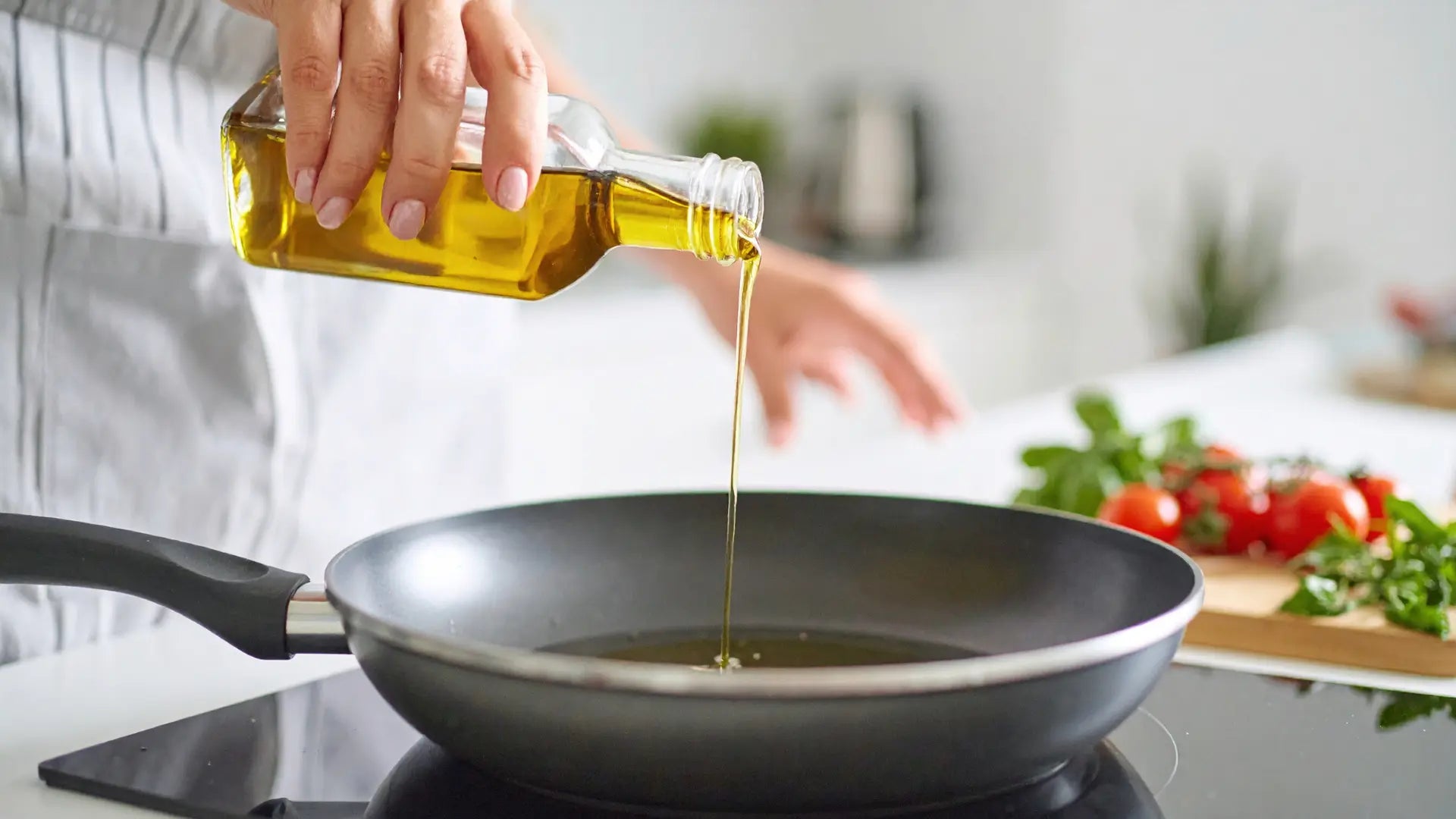
THC-infused vegetable oil is one of the most versatile options for savory cooking.
Vegetable oil has a neutral flavor and blends easily into:
Sautéed vegetables
Simple grain dishes
Light pan cooking
Everyday savory recipes
Using low to medium heat and measured amounts helps keep flavor smooth and familiar.
Cooking With THC-Infused Avocado Oil
THC-infused avocado oil works well for both baking and cooking.
Avocado oil has a mild profile that supports:
Salad dressings
Light sautéing
Baking mixes
Finishing touches
Its clean taste makes it easy to substitute for traditional oil without changing the flavor of the dish.
How to Keep Weed Flavor Mild and Familiar
A few simple habits make a big difference when cooking or baking with infused oil.
Use the same measurement as regular oil
Mix oil evenly into recipes
Avoid overheating infused oil
Choose neutral base oils
These steps help infused food taste intentional rather than overpowering.
Does Weed Make Sweet Food Taste Different?
In most cases, no.
Sweet recipes are the most forgiving because sugar, cocoa, and spices naturally dominate flavor. When infused oil is used correctly, baked desserts taste familiar and comforting, making them a popular starting point for many people.
Does Weed Make Savory Food Taste Different?
Savory food doesn’t taste drastically different, but subtle flavor notes can come through more easily if oil is overused or added at the end of cooking.
Treating infused oil like any other cooking oil helps keep meals tasting balanced and enjoyable.
Baking and Cooking Can Work Together
Using infused oil for savory cooking doesn’t replace baking. It expands how infused food fits into everyday routines.
Some occasions call for cookies or brownies. Others call for vegetables, grains, or simple meals. Infused oils are designed to work across both, without forcing a choice.
Final Takeaway
So, does weed make food taste different?
When THC-infused oils are used intentionally, the answer is usually no. Flavor stays familiar, recipes stay enjoyable, and food remains the focus.
Whether baking or cooking, infused oils work best when treated like any other ingredient — measured, balanced, and used with purpose.
FAQ: Weed Taste in Food
Does weed always change the taste of food?
No. Most infused foods taste very similar to non-infused versions when neutral oils are used correctly.
Is baking or cooking better for avoiding weed flavor?
Baking often masks flavor more easily, while cooking allows flexibility and gradual adjustment.
What oil is best if I’m worried about taste?
Neutral oils like vegetable oil and avocado oil help keep recipes tasting clean and familiar.
Can THC-infused oil replace regular oil in recipes?
Yes. In most recipes, infused oil can be substituted directly at the same measurement.
Why does some infused food taste stronger than others?
Flavor differences usually come from how oil is used, not the THC itself. Amount, heat, and timing all matter.


Sabrina Clebnik (aka Clebby)
has been known for her brownies since she was tall enough to reach the oven. They were a staple at every gathering...and everyone always wanted seconds. And it wasn’t just brownies…Friends and relatives relentlessly requested the "secret recipes" that made all of Sabrina's baked goods disappear faster than you could say, "Save me a corner piece."

Reading next
Jan 24, 2026
Team Clebby

Jan 24, 2026
Team Clebby
Invalid password
Enter
Leave a comment
This site is protected by hCaptcha and the hCaptcha Privacy Policy and Terms of Service apply.