
Access Denied
IMPORTANT! If you’re a store owner, please make sure you have Customer accounts enabled in your Store Admin, as you have customer based locks set up with EasyLockdown app. Enable Customer Accounts
From Pot Brownies to Precision THC Baking Mixes: The Evolution of Edibles
By Team Clebby
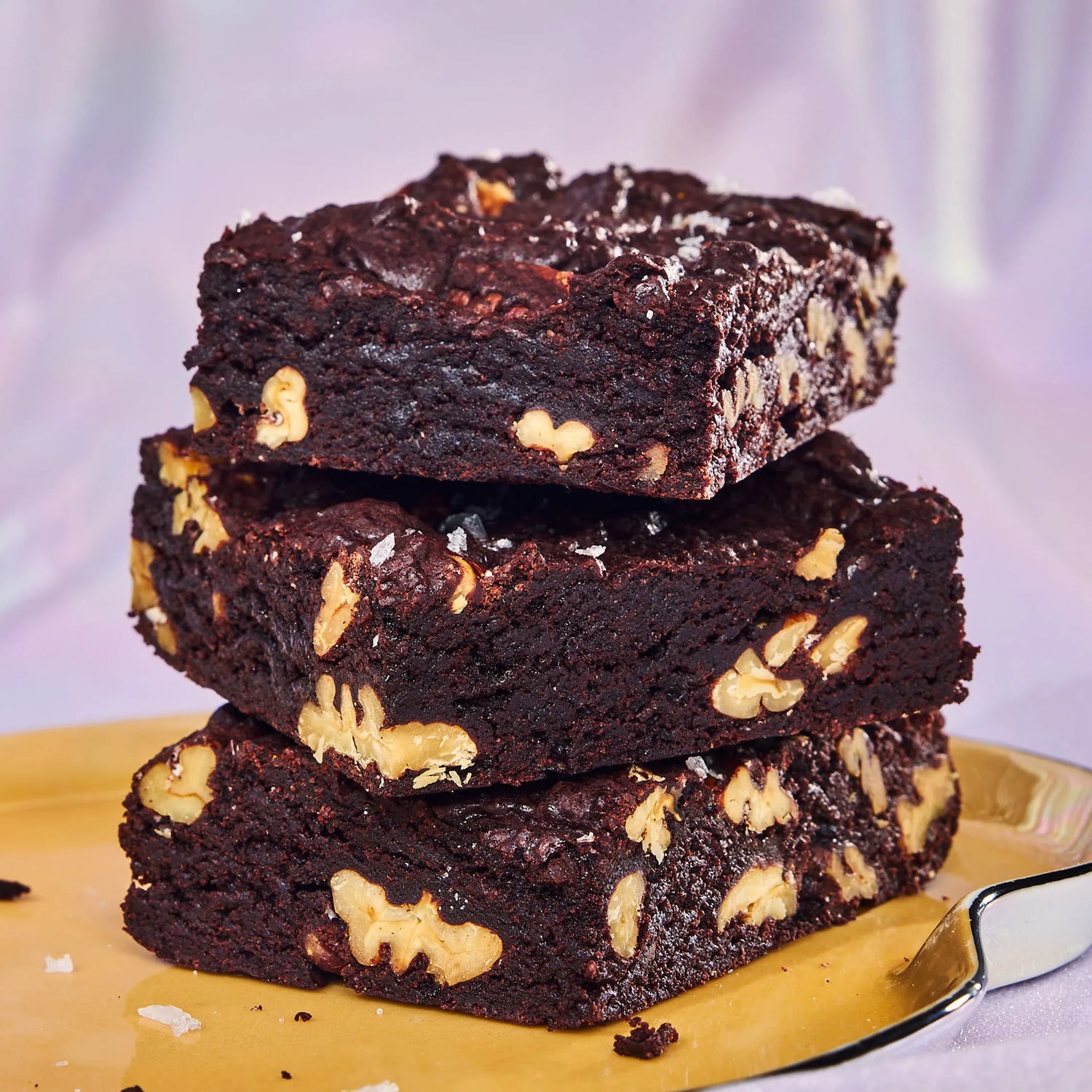
This article traces the evolution of edibles from unpredictable homemade pot brownies to modern THC baking mixes designed for consistency, flavor, and control. It explains how early edibles relied on guesswork, how dispensary products introduced labeling and testing, and how today’s hemp-derived THC baking mixes—like those from Clebby’s—combine the nostalgia of home baking with precise dosing and ease of use. The result is a more approachable, reliable way to enjoy edibles without sacrificing creativity or the homemade experience.
Table of contents
The early days: pot brownies and kitchen experiments Why early edibles were so unpredictable The dispensary era: edibles go mainstream The hemp shift and the rise of THC baking mixes What makes modern THC baking mixes different How Clebby’s simplifies dosing and baking From guesswork to control: why this evolution matters Edibles today: creativity without chaos FAQs: the evolution of THC baking mixes
Long before dispensaries, lab testing, and neatly labeled boxes existed, edibles were something you made quietly at home, usually with a recipe scribbled on paper and a lot of guesswork. For decades, cannabis edibles were synonymous with the infamous “pot brownie”—a treat that was either disappointingly weak or way stronger than expected.
Today, the landscape looks completely different. Modern THC baking mixes represent a major shift in how people bake, dose, and enjoy edibles at home. This article takes a quick, fun trip through the history of edibles and ends with how brands like Clebby’s turned a once-chaotic process into something simple, consistent, and beginner-friendly.

The early days: pot brownies and kitchen experiments
The early days: pot brownies and kitchen experiments
In the 1960s through the early 2000s, homemade pot brownies were the most recognizable form of edible cannabis. Recipes were passed around through friends, magazines, or internet forums, and the process was anything but precise.
Back then, making edibles usually involved:
- Decarboxylating cannabis flower in an oven (sometimes, sometimes not)
- Infusing butter or oil on a stovetop for hours
- Guessing how strong the final product might be
- Hoping every brownie had roughly the same amount of THC
For many people, these early edibles were memorable—but not always for the right reasons. Inconsistent dosing was the norm, not the exception, and the taste often leaned heavily toward “weed with chocolate” instead of actual dessert.
Still, pot brownies played an important role: they showed people that cannabis could be eaten, not just smoked, and that edibles could be social, sharable, and comforting.
Why early edibles were so unpredictable
The biggest issue with classic pot brownies wasn’t the idea—it was the execution. A few technical problems made consistency nearly impossible:
Uneven infusion
Butter or oil infusions weren’t always mixed evenly into batter, which meant one brownie could contain far more THC than another.
No lab testing
There was no reliable way to know how much THC was in the cannabis being used, let alone in each serving.
Poor flavor control
Plant material and chlorophyll often carried through into the final dessert, making taste and smell an afterthought.
Because of these challenges, edibles earned a reputation for being risky, slow-hitting, and easy to overdo—especially for beginners.
The dispensary era: edibles go mainstream
As legal cannabis expanded at the state level, dispensaries began selling professionally made edibles. Gummies, chocolates, and baked goods started appearing with printed milligram counts and serving sizes.
This era introduced a few important changes:
- Lab testing became standard
- THC content was listed per serving
- Edibles became more approachable for new users
- Flavor and texture improved dramatically
But dispensary edibles also came with limitations. They weren’t always easy to access, couldn’t be shipped across state lines, and didn’t offer the same “made-at-home” experience that pot brownies once did.
That gap—between convenience and creativity—is where THC baking mixes started to emerge.

The hemp shift and the rise of THC baking mixes
The biggest turning point for modern edibles came with the legalization of hemp under the 2018 Farm Bill. This allowed hemp-derived THC products to exist outside the dispensary system, as long as they followed strict federal guidelines.
This shift paved the way for:
- Online-available THC products
- Clear labeling and compliance
- Home baking without dispensary access
- The evolution of THC baking mixes
Instead of asking consumers to infuse their own butter or oil, modern brands started doing the hard work upfront—extracting, testing, and pre-dosing THC into ready-to-use ingredients.

What makes modern THC baking mixes different
Unlike old-school pot brownies, today’s THC baking mixes are designed for reliability first and creativity second.
Here’s what sets them apart:
- Pre-dosed, lab-tested infused oil
- Clear total THC listed per box
- Even distribution throughout the batter
- Familiar baking formats (brownies, cakes, banana bread)
- The same instructions as a standard boxed mix
With mixes like those from Clebby’s, you’re not guessing how strong your brownies are—you know before you even turn on the oven. You can explore their lineup directly on the Clebby’s THC baking mixes collection.
How Clebby’s simplifies dosing and baking
Clebby’s takes the nostalgia of homemade edibles and pairs it with modern precision. Each mix includes a classic dry baking blend plus a pre-measured bottle of hemp-derived THC oil that’s already activated and tested.
This approach solves three historical problems at once:
-
Dosing clarity
The total THC per box is clearly labeled, making it easy to calculate per-piece servings. -
Flavor consistency
The infused oil is designed to blend cleanly into batter without overpowering the dessert. -
Ease of use
You follow the same steps you would for any boxed mix—no extra equipment or chemistry required.
For transparency, Clebby’s publishes full lab results for every batch on their Certificates of Analysis page.
From guesswork to control: why this evolution matters
The evolution from pot brownies to THC baking mixes isn’t just about convenience—it’s about trust. Modern consumers want to know:
- How much THC they’re consuming
- How long effects might last
- Whether a product was tested
- If they can recreate the experience consistently
Precision baking mixes make edibles feel less intimidating and more like any other home-baked treat—just with an infused twist.
Edibles today: creativity without chaos
One of the biggest advantages of modern THC baking mixes is flexibility. You can still customize your desserts with:
- Mix-ins like chocolate chunks or fruit
- Frostings and glazes
- Plating and presentation upgrades
The difference is that all the THC lives in a single, controlled component—the infused oil—so creativity doesn’t compromise dosing.
If you want inspiration, Clebby’s shares upgraded recipes and ideas on their recipe hub and blog.
FAQs: the evolution of THC baking mixes
Are THC baking mixes stronger than old pot brownies?
Not necessarily. They’re more predictable, which often makes them feel smoother and easier to manage.
Do THC baking mixes still feel homemade?
Yes. You still mix, bake, slice, and serve—it just happens with far more control.
Are these mixes beginner-friendly?
Very. Clear labeling and portion control make them approachable for first-time edible users.
Will THC baking mixes show up on a drug test?
Yes. THC is THC, regardless of how it’s baked or sourced.
Why did edibles move toward boxed mixes?
Because consistency, safety, and convenience matter—especially for people who want a relaxing experience, not a surprise.
Final thoughts: the future of edibles
Edibles have come a long way from foil-wrapped brownies passed around at parties. Today’s THC baking mixes represent the best of both worlds: the warmth and creativity of homemade desserts paired with modern dosing precision and transparency.
For anyone who loves baking, wants control, and still appreciates a little nostalgia, the evolution of edibles didn’t erase pot brownies—it refined them. And brands like Clebby’s are proof that the future of edibles can be both brag-worthy and predictable at the same time.
If you want to see how far edibles have come, you can browse the full collection of Clebby’s THC baking mixes and decide which chapter you want to bake next.


Sabrina Clebnik (aka Clebby)
has been known for her brownies since she was tall enough to reach the oven. They were a staple at every gathering...and everyone always wanted seconds. And it wasn’t just brownies…Friends and relatives relentlessly requested the "secret recipes" that made all of Sabrina's baked goods disappear faster than you could say, "Save me a corner piece."

Reading next
Dec 23, 2025
Team Clebby
Dec 23, 2025
Team Clebby
Invalid password
Enter
Leave a comment
This site is protected by hCaptcha and the hCaptcha Privacy Policy and Terms of Service apply.